Kicking Back: The History of The Philadelphia Fury - Part Three
In 2026, we still get to hear about a bygone time where we didn’t have phones or the internet. The Fury, like many clubs in the NASL, had more than one manager in a season, but that was par for the course in most of the world. They were only in Philadelphia for four years, but did have some strange news come out of their coaching position.
The first manager they brought in, would provide the most news than any of the more famous managers. Richard Dinnis, really never played at any level, though we do know he signed after a trial in 1961 with Bishop Auckland. Later, he went into coaching with Blackburn as their reserve coach. Richard became the caretaker manager of the club from 1973 to 1974, he reverted back to reserve coach once Gordon Lee was appointed as head coach. That didn’t last long as he joined Gordon Lee at Newcastle United as Lee’s assistant manager. Once Lee was sacked in January 1977, Dinnis saw out the season as the caretaker manager. He was then appointed manager of Newcastle, but was fired after a poor start.
After losing his job, Dinnis came over to the NASL, first as manager of the Fury. He was fired mid season, while being replaced by Alan Ball. It came out that Dinnis that with only his FA “A” Licence, he had very little playing experience. After getting fired by the Fury, was later the assistant manager with the Vancouver Whitecaps. Richard then returned to Blackburn, and various clubs over the decades, including some time Saudi Arabia.
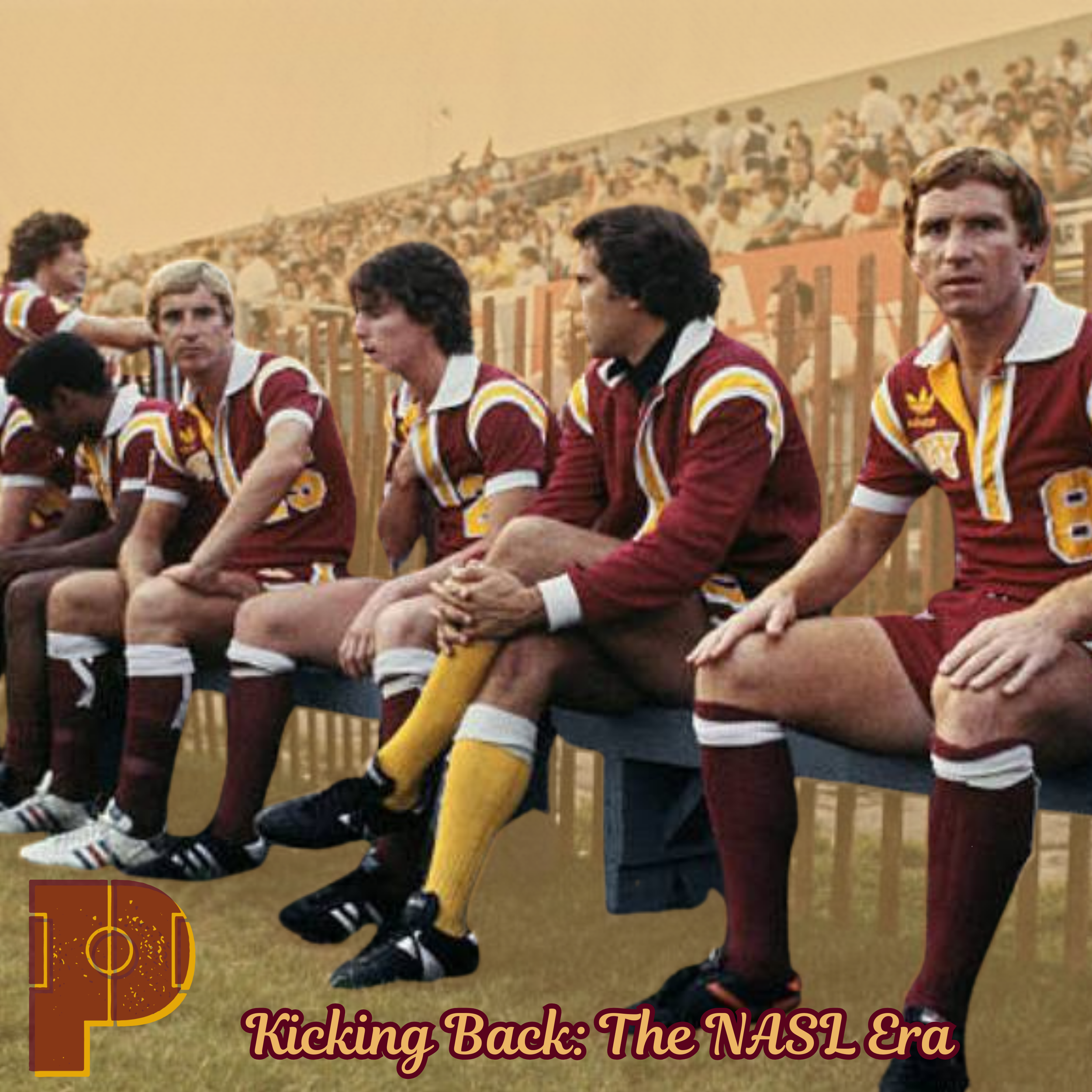
Following Richard Dinnis’ removal, either by quitting or being fired. Richard forgot to keep two Americans on the pitch at all times during a match against Seattle, Alan Ball was brought in. That would have caused a forfeit for not having two American players on against Seattle. Ball however, wasn’t a good replacement, as the Fury couldn’t put any goals in the back of the net. The leading scorer, Pat Fidelia scored eight goals, with seven of them coming off the bench.
Alan Ball has a great biography in the sport. He was the youngest member of the 1966 England World Cup winning team. In the 1990s he bounced around the English leagues managing clubs here and there. Alan Ball, was the son of a manager of the same name, and the father of Jimmy Ball who has managed in the English league system as well. Ball Jr, was a player at Blackpool before playing at Everton in the the 60s. He moved to Arsenal at the turn of the 1970s.
Ball also bounced around in North America. His time as manager of the Fury was his last for the 70s, but he did move onto play for the Vancouver Whitecaps, where he helped the Western Canadian club win the 1979 NASL Soccer Bowl. After winning the Soccer Bowl, Ball went back to England and finished out his playing career. He returned back to Blackpool as a player/manager before finishing up bouncing from Southampton, to Eastern Sports Club in Hong Kong, and Bristol Rovers all by 1983.
After his playing career was over in 1984, he spent time until the turn of the century managing clubs: Portsmouth x2, Stoke, Exeter, Southampton, and Manchester City. Alan died in 2007, at the age of 61. He didn’t get to coach the next year because he was released. Alan did not want to return as player/manager even if they could have come to an agreement.
So who was next? Well, they wanted to swing for the fences, and sign the manager of the 1978 World Cup Argentina team, Cesar Menotti. The issue was that Menotti did not speak a lick of English. This would have been reportedly with the signing of a young Argentine Diego Maradona. Next, they looked at Poland’s manager Jacek Gmoch, who was coming off of the 1978 World Cup. He did have many connections to Pennsylvania, going to the University of Pennsylvania, and coached the Polish Eagles of the United Soccer League.
Gmoch did accept the job in 1978, but Poland’s Minister of Sport refused to release the manager until June 1979. The Fury at first were acceptable to this because former captain Derek Trevis could have been a very good interim coach. That didn’t come to happen, so the Fury had to look again. Then they did find their man, Marko Valok, the former Yugoslavian National Team, and Olympic coach in February 1979.
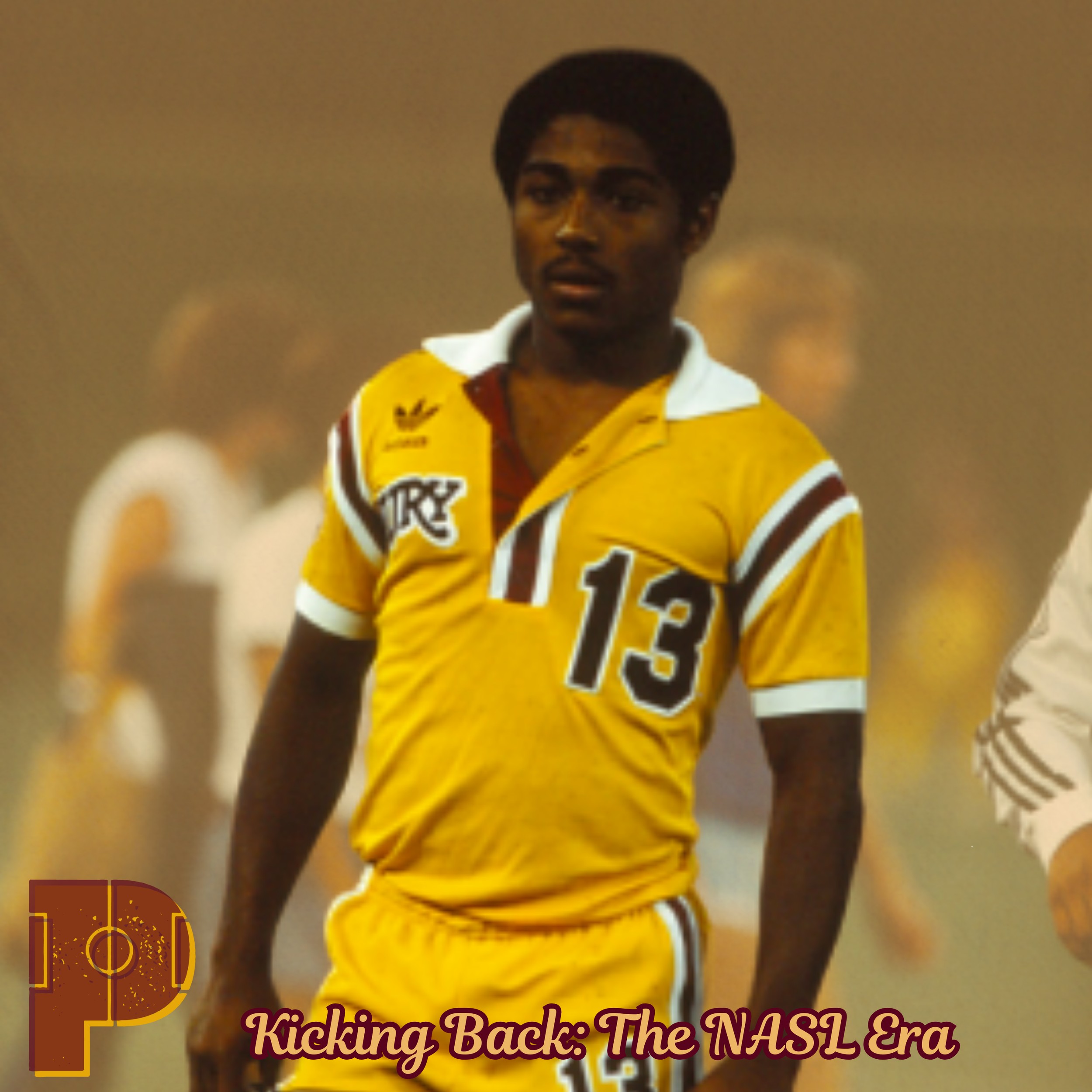
The team did have a young core, thanks to; Brooks Cryder, Fran O’Brien, Rich Reice, Tony Glavin, Pat Fidelia, and John Dempsey. The Fury did have some good luck picking up goalkeeper Keith Van Eron, and goal scorer David Robb. To help out implementing his system Valok brought in a couple Yugoslavian players: Radi Martinovic, Miro Mjordjevic, stojan Nikolic and Dusan Luckic. All of this change saw the Fury start out at 1-3 in the Preseason, and a 3-0 win against Rochester. The Fury ended the season with a losing record of 10-20, while losing 15 away matches. The NASL standings were based on six points for a win, and one point for each regulation goal scored up to three, earned the Fury third place in the American Conference Easter Division, one point ahead of the twelve game winning New England Team Men.
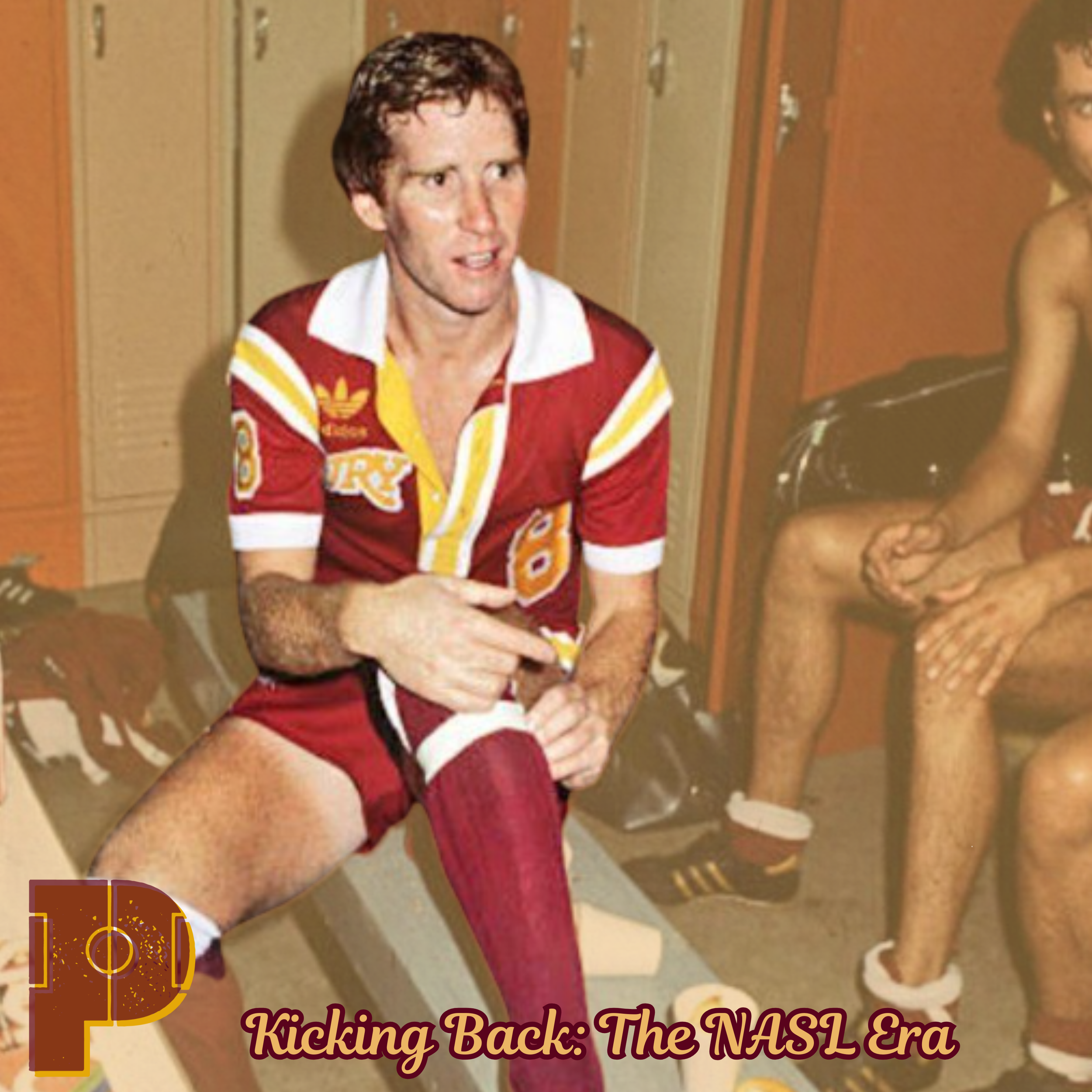
That made the Fury qualify for the playoffs. They defeated the Houston Hurricane at home 2-1 in the first leg of the quarterfinals, and the same score in the second leg. That put the Fury through to the Conference Semi-finals against the Tampa Bay Rowdies, where they lost both legs of the series. A few weeks after the defeat, Marko Valok resigned and went back to Yugoslavia.
The first year of the decade, the Fury brought in the coaching staff of Eddie Firmani, who brought with him ex-Atom George O’Neill. They now were able to add players like Bob Rigby, and ex-Cosmos player Bobby Smith. Though Robb was sold to Vancouver, there were players like Bob Vosmaer and Ossama Khalil who would help the team. The team started the season 1-7, drawing only 9,574 fans in the home opener. By August it was confirmed that the team was moving to Montreal. This time, the Fury finished the season at 10-22 missing the playoffs, and then they were off to the great white north of Canada. Next time, we are off to the capital of the country, and all the clubs who spent their time in the district. Plus there will be a bit of scene setting with how the city was at the time.
- by Stephen Brandt