Kicking Back: Whips, Darts, & Dips - DC Soccer in the 60s & 70s (Part Two)
Now that we are deep into this NASL look back, you all know what is next. Unlike the other parts of this look back, Washington DC has more than one club to talk about. The talk about the managers this time might take a while. And I’m fully aware as we get going there will be some overlap with the managers.
Up first is the Washington Whips, and white they were a club in the USA, they were Abredeen so we do get to chat about Eddie Turnbull. What is off about this one, Turnbull was a big time player at Hibernian, with no connection to Aberdeen when he was hired for the Dons. He was part of the “Famous five” forward line that had Hibernian winning the league title three times between 1947 and 1952. He was also capped at the International level nine times for Scotland.
After he retired in 1959, he remained at Easter Road to help train players until March 1963 when he took over at Queen’s Park. Eddie quickly turned the club into a talented outfit, gearing them to their best season in years. In January 1964, his Queen’s Park took the Dons to a replay and extra time in the Scottish Cup second round, which made the brass in Abredeen pay attention. A year later, Turnbull took over at Pittodrie, he cleared out all the bad players, and with the help of chief scout Bobby Calder helped bring in great talent. In his first season in charge, he led the Dons to a mid-table finish, and to the Scottish Cup semi-finals.
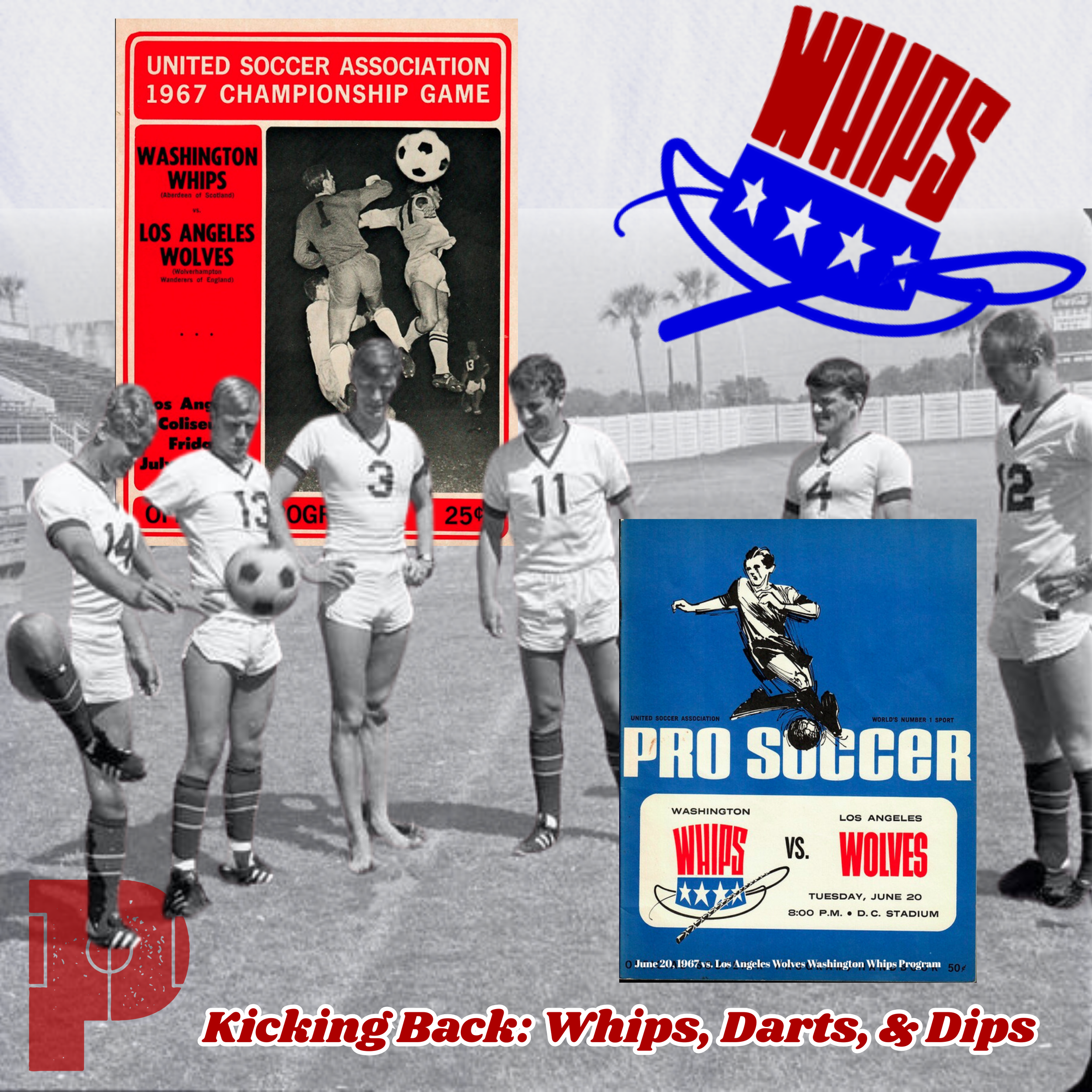
Ultimately, the Washington Whips lost to the LA Wolves in the 1967 United Soccer Association Championship Game.
This helped the public regain faith in the team, and the numbers showing up at the games went up. The following year, Aberdeen went to the Scottish Cup final, which got them into Europe for the first time. They unfortunately lost in the final to Celtic 2-0. At the time Abredeen was buying players on the cheap, like Harry Melrose and Jim Storrie. They also found cheap young players like Jimmy Smith, and Tommy Craig.
The 1969-70 season was starting out to look bad, but then the new young talent really kicked into gear. They had an amazing 1970 Scottish Cup Final run, seeing the team win 3-1 over Celtic in the final. The next season was even more of an upgrade, challenging Celtic for the top of the Scottish League. Feeling like he had taken Aberdeen far enough, Eddie took over at Hibs in 1971. He was in very high demand, Rangers had come for him during the 1970 season, as well as the Scottish National Team. He stayed at Pittodrie until 1980, until he retired from the sport completely. After leaving the game, he ran a pub in Edinburgh. On 30 April 2011 Eddie passed away just days after his 88th birthday.
When the clubs changed over, the Washington Darts, who started life as the Washington Britannica. Their first manager was Norman Sutherland, and in 1967 they went 7-2-6. He won Coach of the Year in 1968 in the ASL. There’s very few things online about Sutherland, but he was also the GM of the club.
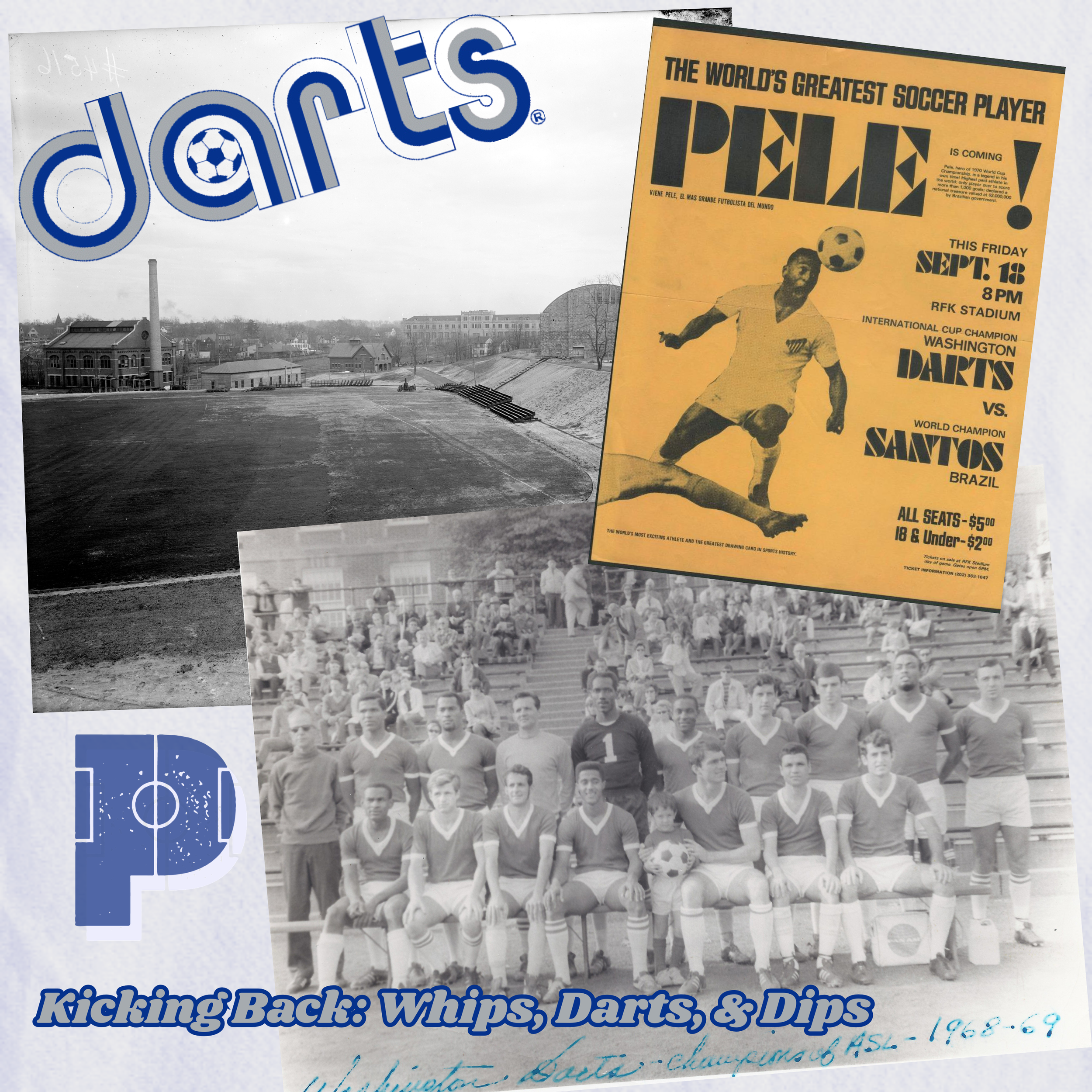
Brookland Stadium, home of Catholic University of America, hosted the second leg of the 1970 NASL Final. The Darts played a handful of interesting friendlies before moving to Ft Lauderdale, Florida.
The following year as the Darts, Lincoln Phillips became the player/coach and was the first black soccer head coach. These would be his only years in charge of the Darts. Phillips tried to keep it as: a smart, disciplined, team-oriented approach, with a solid defensive unit, with quick passing, which was all very similar to his play as a Trinidad and Tobago international player. They won back to back ASL championships in 1968 and 1969, with records of 10-1-1, and 14-5-1. After leaving the Darts, Phillips moved on to coach Howard, the Maryland Bays and VCW.
We aren’t completely done with coaches in DC, the next team to come in was the Washington Diplomats who were owned/under the guidance of Jimmy Hill. They wanted to make the capital of the country a soccer hotbed. So their first great idea was bringing in Munich Air Disaster survivor Dennis Viollet in 1974. The team didn’t have many good seasons under the former Manchester United forward, they only reached the playoffs one season in 1977. He was let go after the 1977-78 season. That’s when he became the assistant of his former teammate Noel Cantwell with the New England Tea Men.
Once the Tea Men moved down a league to the ASL. In this version Viollet became the head coach, and led the team to the 1983 ASL League Title. The next year he moved with the team to the USL, but the team folded in 1984. In 1985 he moved to be the varsity boys soccer coach at St. Johns Country Day School, while coaching the Jacksonville Knights an indoor team. Dennis also coached the Richmond Kickers, where he won the 1995 USISL Premier League and US Open Cup.
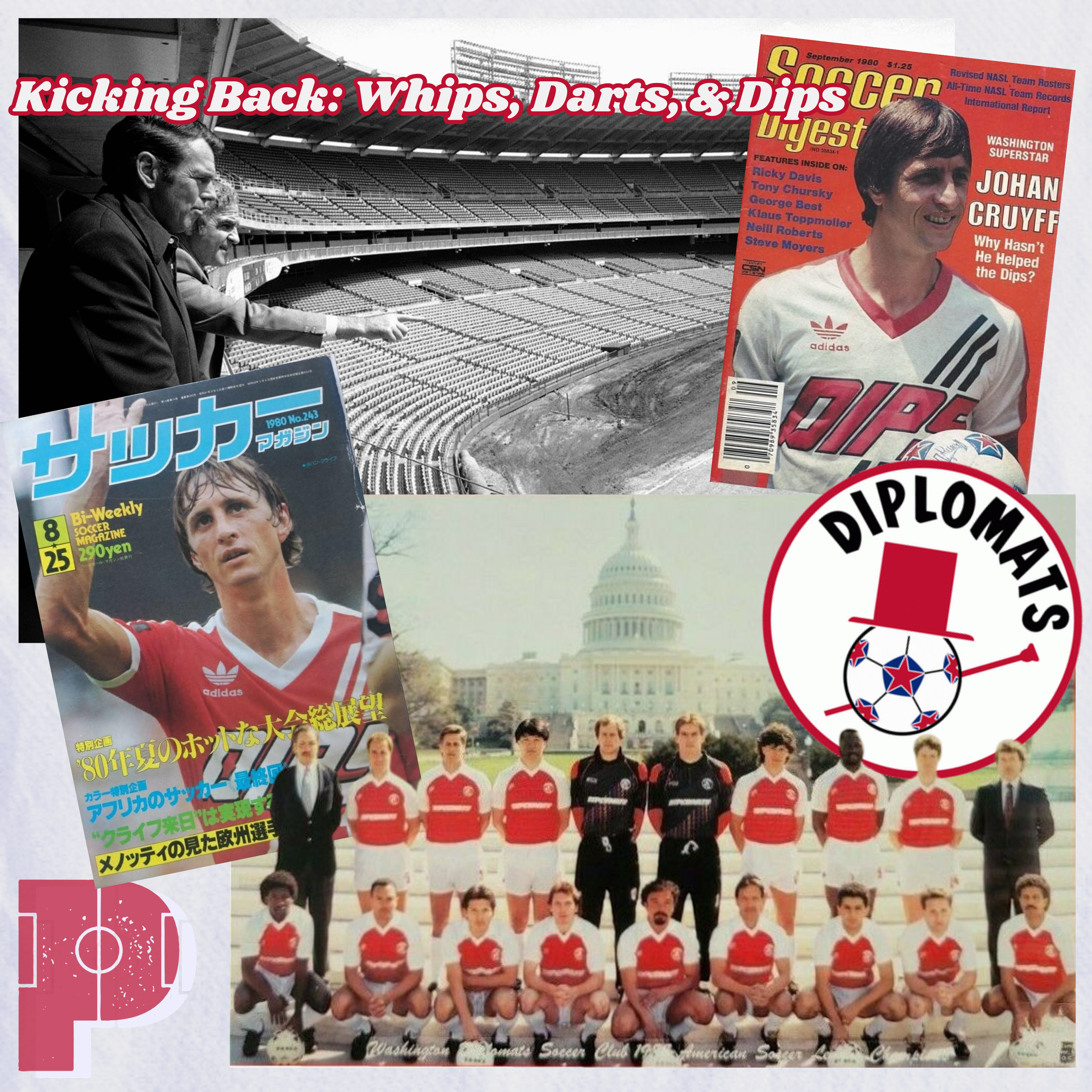
Gordon Bradley might be one of the most well known coaches of this era. And no he isn’t related to Bob Bradley’s family. By the time he became the Vice President/coach of the Diplomats, Gordon had built the great Cosmos teams, finished playing, and coached the USA National Team. With the Diplomats he wasn’t able to recreate the success he had in the Big Apple. When he left professional soccer in 1985, he became the coach at George Mason University where he stayed until 2000. Over those years he had a record of 183-113-35. He was elected to the National Soccer Hall Of Fame in 1985.
Ken Furphy was another lower level player, who pushed himself to be the top manager he became. He quickly became a player/manager of Watford in the 60s, and pushed them up the English club system. That was done before Elton John came into the picture. Ken eventually came over to the States and rotated through a bunch of NASL and ASL clubs. Before settling on the Washington Dips, he went through: Cosmos 1976, Miami Toros 1977, Detroit Express 1978-80, and the Dips in 1981. Ken had a record of 71-67 in the NASL.
The last, and worst was whatever Team USA was meant to be. This was all mentioned in the First Part. Team USA’s manager at the time was Alkis Panagoulias, and they had a 10-20 record for their matches preparing for international competitions. Even after that challenging year, Alkis stayed on until 1984. He coached Greece to the 1994 World Cup. Alkis after the USA stint bounced around the Greek leagues: Olympiacos, Aris, Levandiakos, and ending his career coaching Irakis, and Aris.
- by Stephen Brandt