Kicking Back: The History of Soccer in New England
Soccer Historian and Author, Stephen Brandt, returns to Protagonist to take a look at the NASL era in New England - from Boston to Hartford and from Eusebio to the mighty Oceaneers, here is the story of soccer in the Northeastern states from the late 1960s to the early 1980s.
It’s a great thing when you are a historian that people know, and offer you suggestions for what you should write. While I’m always open for ideas, places to send my writing, most of the time, unless I know the person well, I just say thanks. That being said Josh Duder has always been a fan of mine, and I love the Protagonist stuff. He came to me a month ago, and asked me if I thought about doing a capsule of the NASL in New England. When Josh comes to you with an idea, you know it’s going to be awesome. So we have three clubs to talk about.
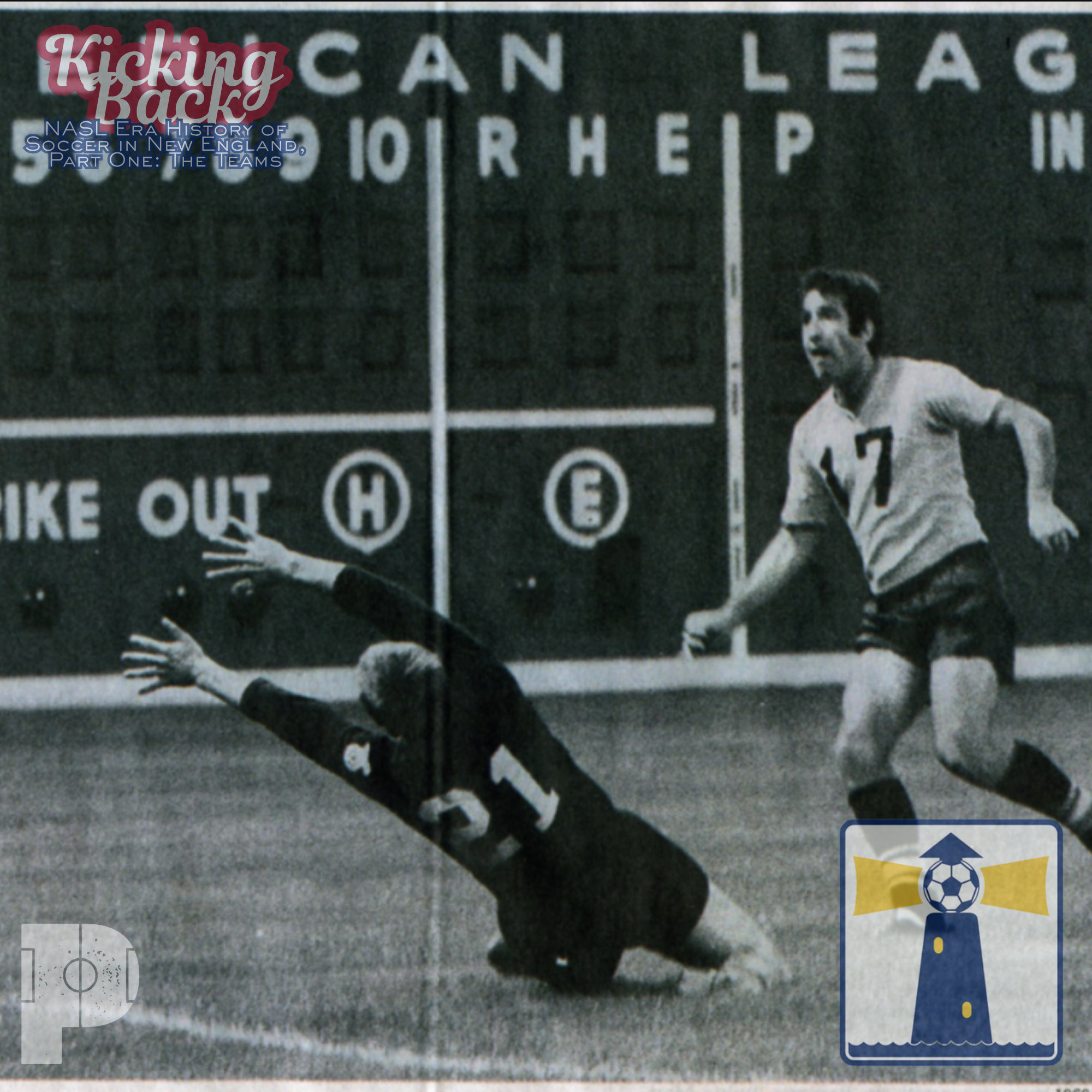
The first club, Boston Beacons, played in Fenway Park during the summer of 1968. The club was owned by a bunch of well known Boston people: Stephen Mugar, Red Auerbach, and Dick O’Connell. The club was formed in 1967 in the National Professional Soccer League, but didn’t enter the league fully until 1968. They hosted some of the 1967 NPSL regular season. Though the NPSL wasn’t the only league in Boston at the time. The United Soccer Association brought the Boston Shamrock Rovers who played at Manning Bowl in Lynn Massachusetts in 1967.
At the end of 1967, the USA and NPSL merged to form the North American Soccer League, and Boston had two franchises. Eventually, the Rovers fell apart leaving the Beacons as the only club in the area. Their lone season was a flop, going 9-17-6, even though they would only carry 16 dates at Fenway. The ownership closed up in October 1968. Maybe if they had hired a manager from anywhere other than lowly Rotherham, no offence, like their manager Jack Mansell was before moving stateside. The only noteworthy player they had was ex-Huddersfield player Billy Fraser.
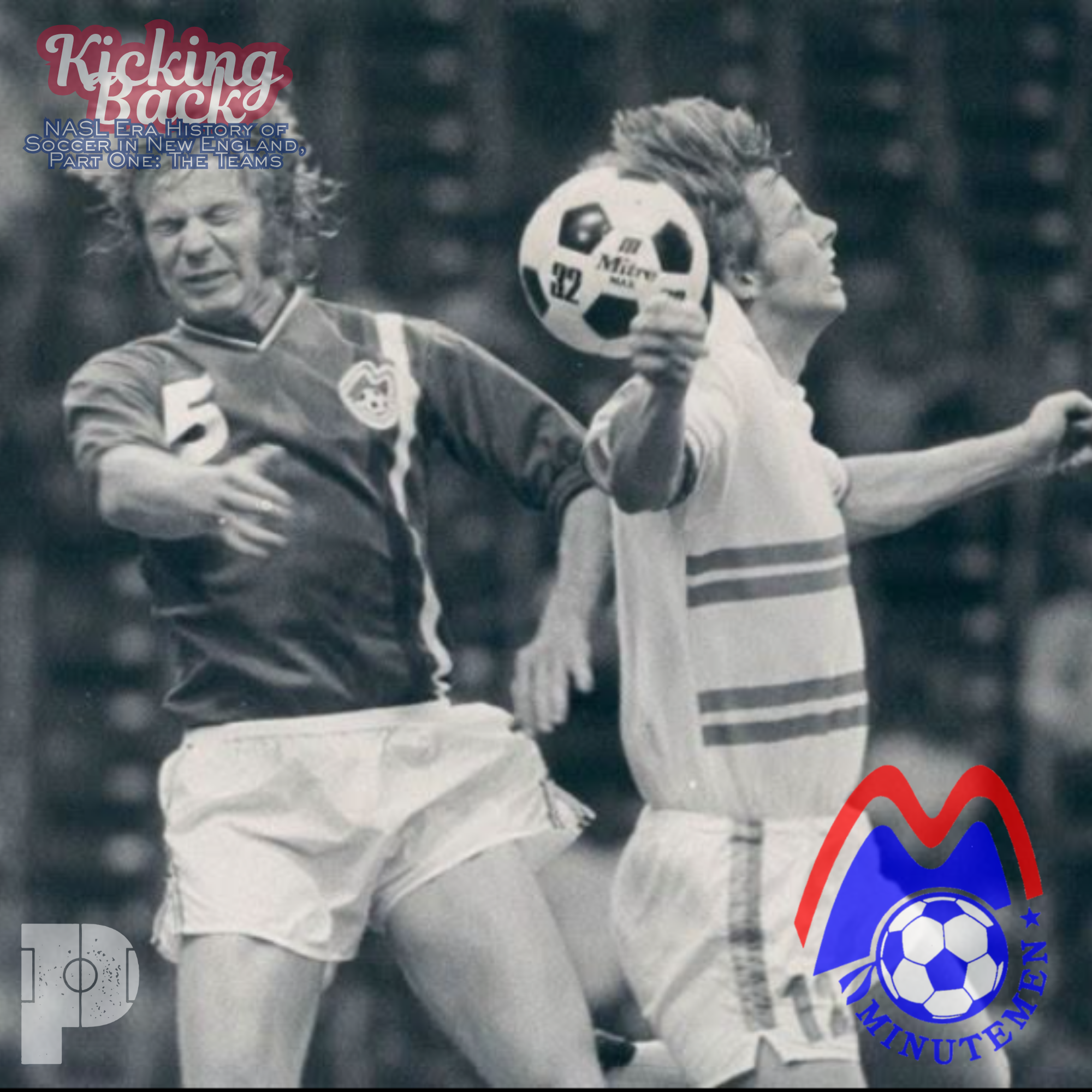
They weren’t the last club in Boston, up next was the Boston Minutemen, brought into the league under the ownership of oil stock promoter John Sterge. Their first head coach was Hurbert Vogelsinger, who led them to win the Northern Division with a 10-9-1 record. They made it within one match of the NASL Soccer Bowl, losing in the semi-final to the Los Angeles Aztecs.
One of their best players was former West Ham United Striker, Ade Coker, former Luton Town winger Graham French while all playing their first year in suburban Chestnut Hill. That’s where the campus of Boston College is. The following year, they moved to Boston proper, going to Boston University’s Nickerson Field. This is when they brought in Harvard and former Cosmos goalkeeper Shep Messing. He was available because of doing a nude pictorial. Ah, back when this was an actual scandal. Then in the middle part of the 1975 season, Eusebio signed for Boston. He was in a state of decline but was able to help Boston to a 13-9 record and the quarterfinals. They lost to defending champions Miami Toros.
On June 20, 1975 there was a riot at Nickerson Field, such was the case in the sport during the late seventies. This was a match with the Cosmos, and Eusebio’s debut. It was surprisingly also the debut of Pele. The Minutemen, vastly oversold the venue, to the point that fans were standing outside of the stands ringing the field. Eusebio opened the scoring in the second half on a free kick for a 1-0 lead. Pele scored the equalizer minutes later, but the ref waved it off. The fans, seeing a Pele goal mobbed the Cosmos forward. The near riot was put down, but Pele had to be carried off with minor injuries. The Minutemen eventually won the match, in overtime. The Cosmos protested the riot, and NASL Commissioner Phil Woosnam upheld the protest and changed the result, the game was replayed in August. There isn’t much out there for the rest of the season, but they did win another division title.
1976 was another NASL season where life was in flux. The Minutemen were moved into the Northern Division with the Chicago Sting, who replaced the Cosmos. Ah, an easier way to make the playoffs. The Minutemen were tipped to win the division. Though they had to relocate to the 57,166 Harvard Stadium, it fell through because the Minutemen couldn’t provide the required deposit. Signs of future problems. Eventually, after postponing two matches the team moved to Veterans Memorial Stadium in Quincy. The first match against the Philadelphia Fury would be at Sargent Field in New Bedford, and the second would be against the Cosmos at Schaefer Stadium in Foxboro. That Cosmos game was Giorgio Chinaglia’s debut for the Cosmos.
During the season John Sterge announced he was going broke and would fold the team unless he was able to sell the club. This lead to a fire-sale by the club; Shep Messing went back to the Cosmos, Simoes went to the San Jose Earthquakes, Suhnholz went off to the Vancouver Whitecaps, Coker to the Minnesota Kicks, Geoff Davies to the Chicago Sting, and Derek Jeffereson to the Washington Diplomats. It got worse, Michael Bosson was named general manager, but quit a week later. Austrian manager Hubert Vogelsinger quit a week later, and showed up as the manager of Team Hawaii a year later. John Bertos was named Head Coach/General Manager after all the mess. The team lost their final 12 games of the season.
After the season the team folded, and John Sterge ended up being investigated by the SEC. Phil Esposito and Bobby Orr, former Boston Bruins legends, wanted to buy the team, but nothing came of that. The Minutemen played 66 regular season matches, winning 27, losing 35, and drawing one. They scored 112 goals, and conceded 116. In the playoffs they won one game, lost two, scored two goals and conceded four. Hartford was named the Bicentennials because they were hopefully going to last into the 1976 season.
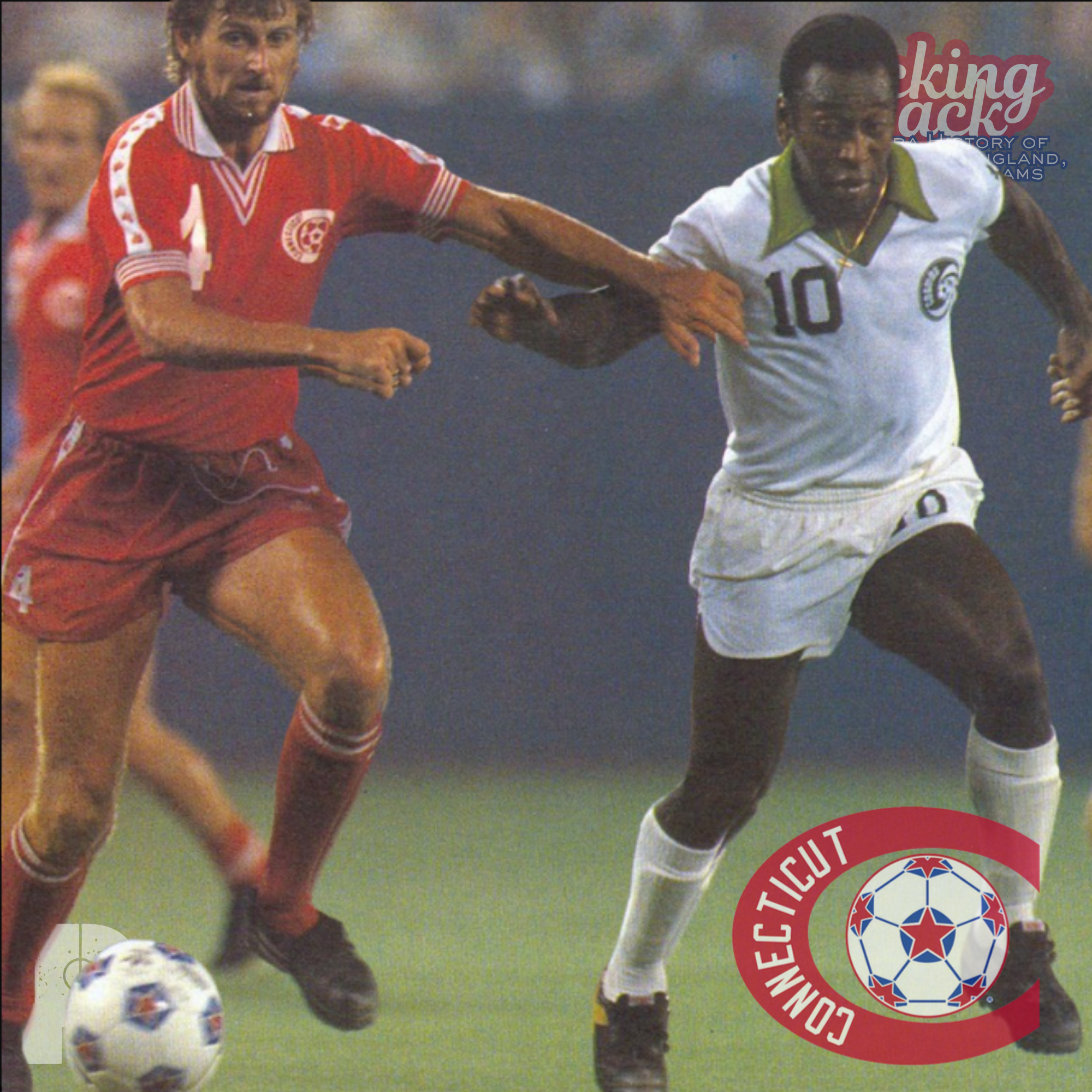
They furnished their club with American Soccer League Champion Rhode Island Oceaneers: goalkeeper Arnie Mausser, Head Coach Manny Schellscheidt, and General Manager Mike Bosson. Though they also had local competition from the ASL as well, with the Connecticut Yankees, who played at Dillon stadium. So when there were dates that conflicted with each other, it depressed the attendance. For 11 matches the Bicentennials only averaged 3,720 fans. They also finished the 1975 season with a 6-16 season., which was tied for the worst record in the NASL.
The Bicentennial year of 1976 Yankees owner Bob Kratzer moved the club to West Haven. The Bi’s were somewhat successful going 12-12, but moved the team to New Haven’s Yale Bowl, and changed the name to the Connecticut Bicentennials for the 1977 season. The best gate they pulled in during the 1977 season was when the Cosmos came to town on May 8th. But they ended up losing 3-2. The rest of the year saw very poor attendance, and the team was at a league’s worst 7-19. The end came after the 1977 season, when Bi’s owner Bob Darling sold the team to Milan Mandaric, who owned the San Jose Earthquakes. The Bi’s were moved to Oakland to become the Stompers. A year later Mandaric sold the team to Edmonton Oilers owner Peter Pocklington, who moved the club to Edmonton, before they folded in 1982.
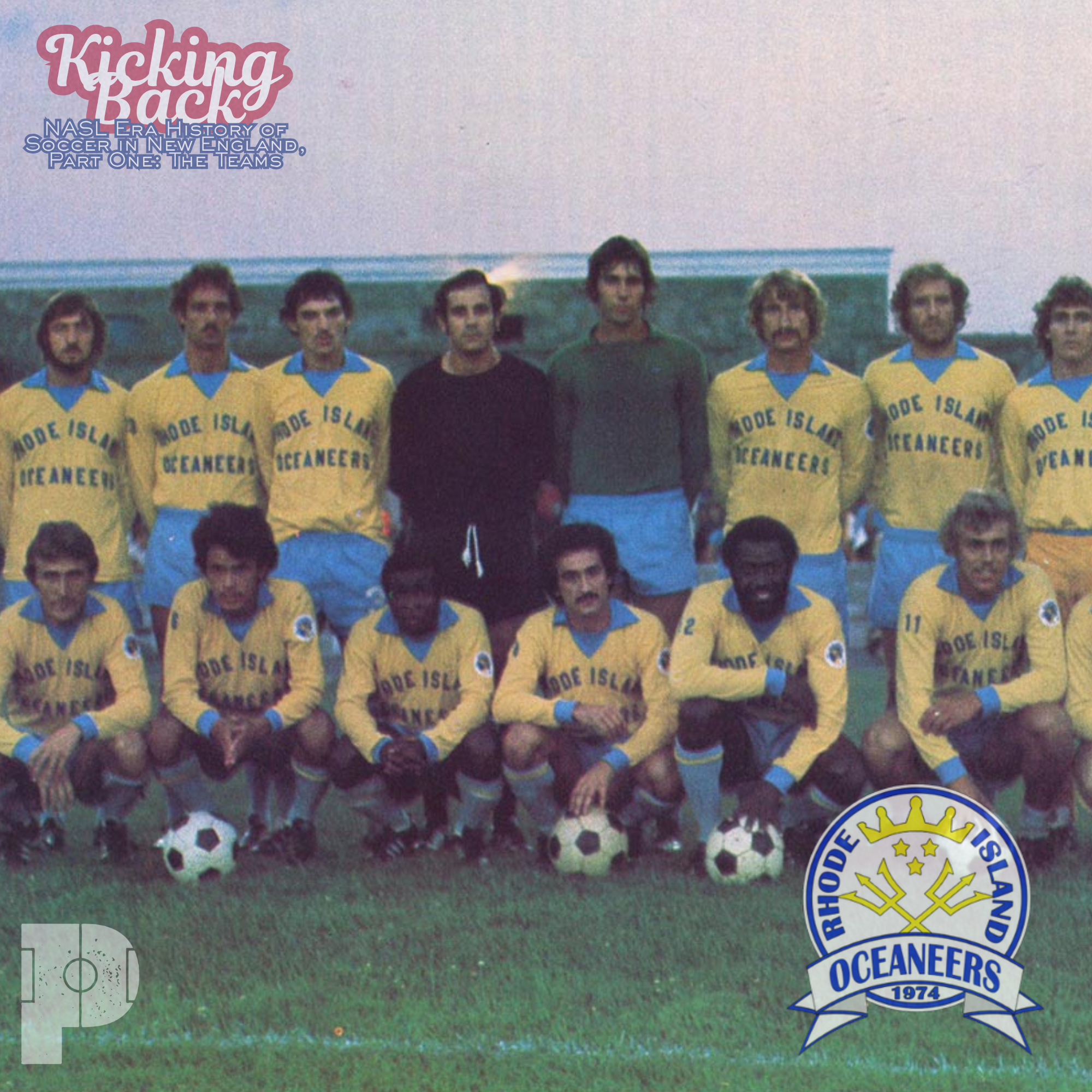
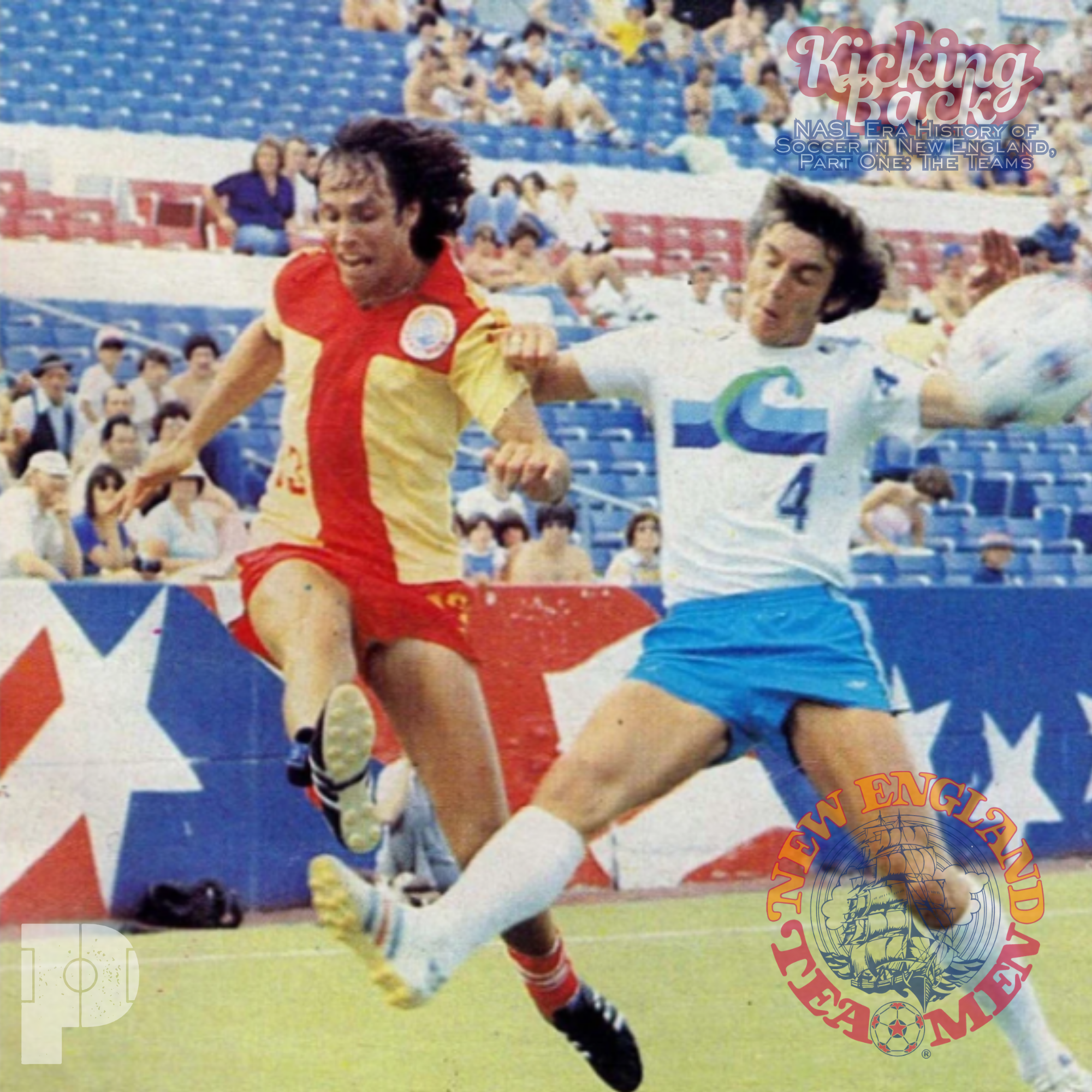
This wasn’t the last team in New England for the Classic NASL period. In January 1978 one more club came into existence, in January of 1978 Thomas J. Lipton, part of the Lipton Tea Company, brought a new franchise into the NASL. The new club was set up in Foxboro, Massachusetts, where they aptly took the name the New England Tea Men. The club President Derek Carroll was given a 1.5 million operating budget and 600,000 dollar chest to operate the player side of it. Their first signing was an English striker named Mike Flannagan who came over on loan from Charlton Athletic. In 1978 he scored 30 goals in 28 matches, earning the NASL Most Valuable Player award. The rest of the players were good for a club put together with just four months notice. The Tea Men tied Tampa for first place in the American Conference Eastern Division at 19-11. Though they didn’t make it far, losing to the Fort Lauderdale Strikers eliminated them from the playoffs.
The second season was much worse. Mike Flanagan never returned to the US, while having a contract dispute with Charlton A judge evicted the Tea Men from Schaefer Stadium due to their dispute with a dog race track, due to scheduling conflicts. They had to play at Nickerson Field in Boston, while only going 11-13. The Tea Men were the only NASL team to play in the 1979 indoor season; they played poorly, going 2-10. The team gave up on New England in November 1980 and moved to Jacksonville. They still used the Tea Men name, which didn’t make sense. Next time we look at the managers, and players who became coaches out of this time period.
by Stephen Brandt