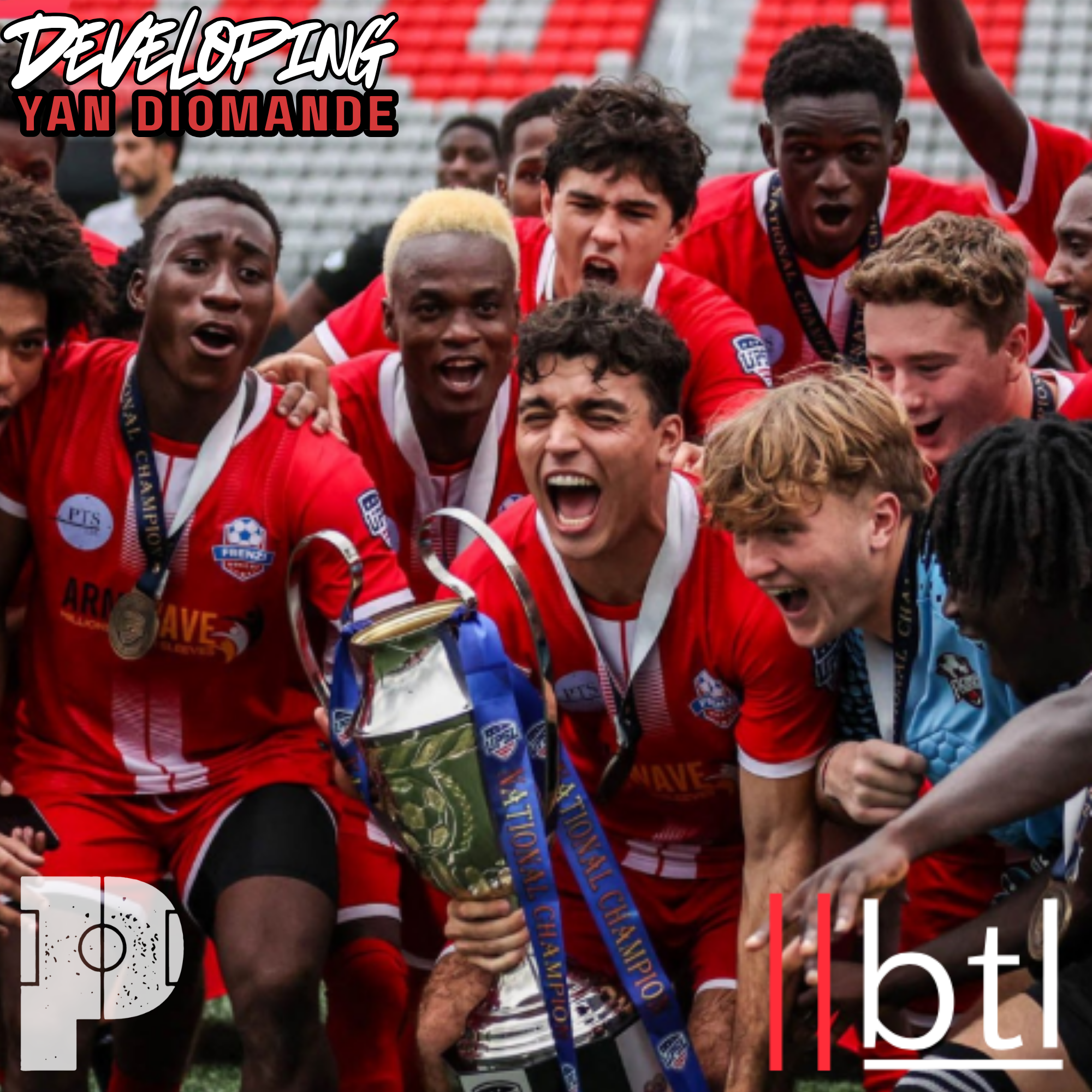
Developing Yan Diomande: Former UPSL Star Goes to Real Madrid
Before he was leading Ivory Coast to uncharted territory in the World Cup, before he was spearheading RB Leipzig to Champions League qualification, before he was debuting for Leganés in La Liga, and before he was finalizing a record-breaking €125M transfer to Real Madrid, Yan Diomande was running past defenders on grass pitches in Florida.
His journey from Abidjan to Aboisso to Daytona Beach, through the United Premier Soccer League (UPSL) with semi-pro outfit AS Frenzi, and onward to CD Leganés, RB Leipzig, and Real is one of the most unconventional player development narratives in modern soccer. Diomande’s meteoric ascent highlights a critical question for American player development: How did a world-class talent pass through the U.S. grassroots setup without being absorbed into the traditional MLS Next Academy or collegiate pathway, and what is the U.S. missing to identify and nurture players of his caliber domestically?
Born and raised in the Ivory Coast, Diomande arrived in the United States in 2022 at age 15. Rather than joining a high-profile Major League Soccer academy, he played for DME Academy under Todd Eason while competing for AS Frenzi in the UPSL. In 2023, Diomande spearheaded AS Frenzi to a UPSL Premier Division national championship, winning the Playoff Golden Boot and MVP. However, whilst Colorado Rapids worked to sign him to a professional debut, other MLS clubs like Orlando City snubbed him.
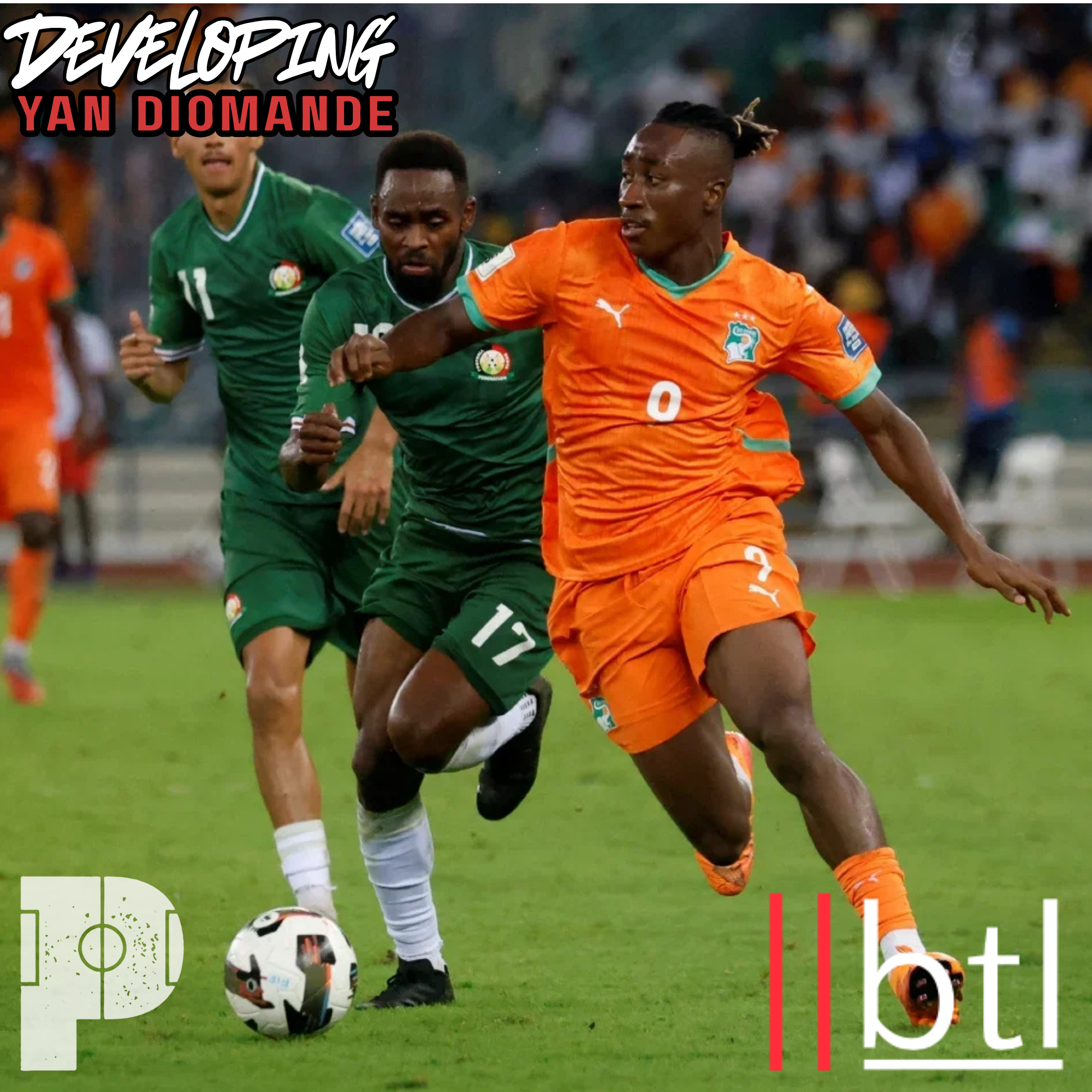
Diomande is proof that world-class potential exists in non-traditional U.S. markets, but systemic structural gaps prevent the U.S. lower leagues from consistently developing and capitalizing on this talent pool. The UPSL, USL League Two, and NPSL operate in separate silos from the MLS Next ecosystem, and because scout networks in North America remain heavily concentrated on MLS Next events and collegiate showcases, independent academies like DME and regional semi-pro clubs often operate outside the central visibility grid.
Many foreign-born players and low-income domestic athletes like Diomande enter the U.S. through local community leagues, high schools, or independent clubs, but without universal solidarity payments or clear training compensation mechanisms in the U.S. domestic market, independent lower-league clubs lack financial incentives to offer fully funded, top-tier coaching and scout networks for unaffiliated talent. Indeed, whilst Diomande’s former clubs in the Ivory Coast, Germany and Spain will earn a chunk of his club-record sale to Real Madrid, that won’t be the case for DME.
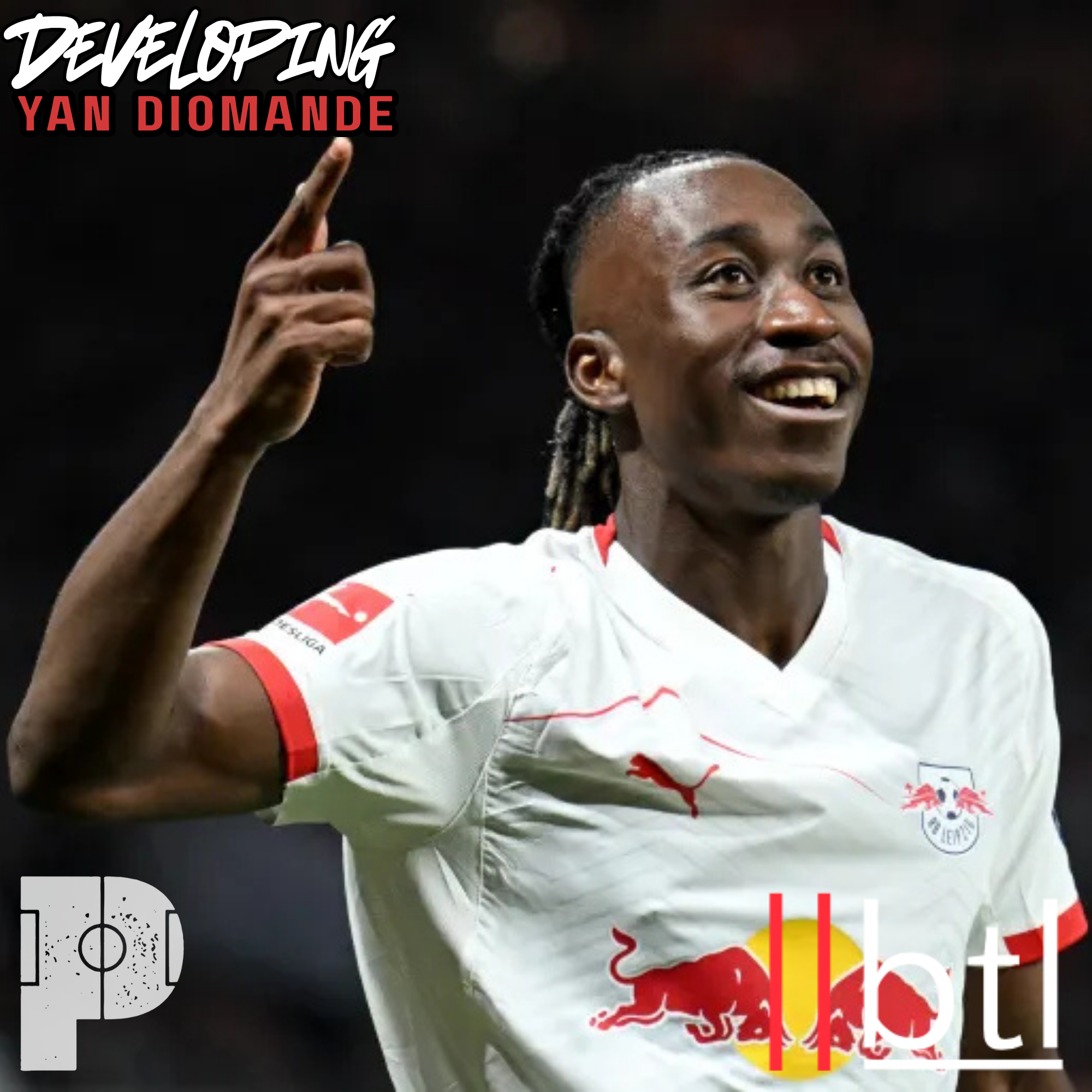
Unlike European football pyramids, where a 17-year-old performing in the 4th or 5th tier can be promoted organically through promotion/relegation or direct club affiliations, U.S. lower-league players face rigid institutional barriers: a player at a UPSL club like Frenzi cannot simply be "called up" to an MLS senior squad without complex roster mechanisms, draft rights, or discovery claims getting in the way. Furthermore, American player scouting historically prioritizes tactical discipline, physical metrics, and system fit over raw, unpredictable 1v1 execution. Diomande’s defining quality is his directness—the willingness to isolate a defender and break structured lines through individual flair. European talent spotters value this unscripted attacking dynamism highly, whereas domestic academies often emphasize structure over individual variance.
Yan Diomande’s rise from Florida's semi-pro tiers to global stardom proves that elite talent is already touching down in American communities. However, for the U.S. to build a true player production engine, its developmental structure must look beyond gated academies and build bridges to the vast, untapped talent playing in its lower leagues.
- by Zach Lowy
Get more great coverage of the World’s Game from Breaking the Lines