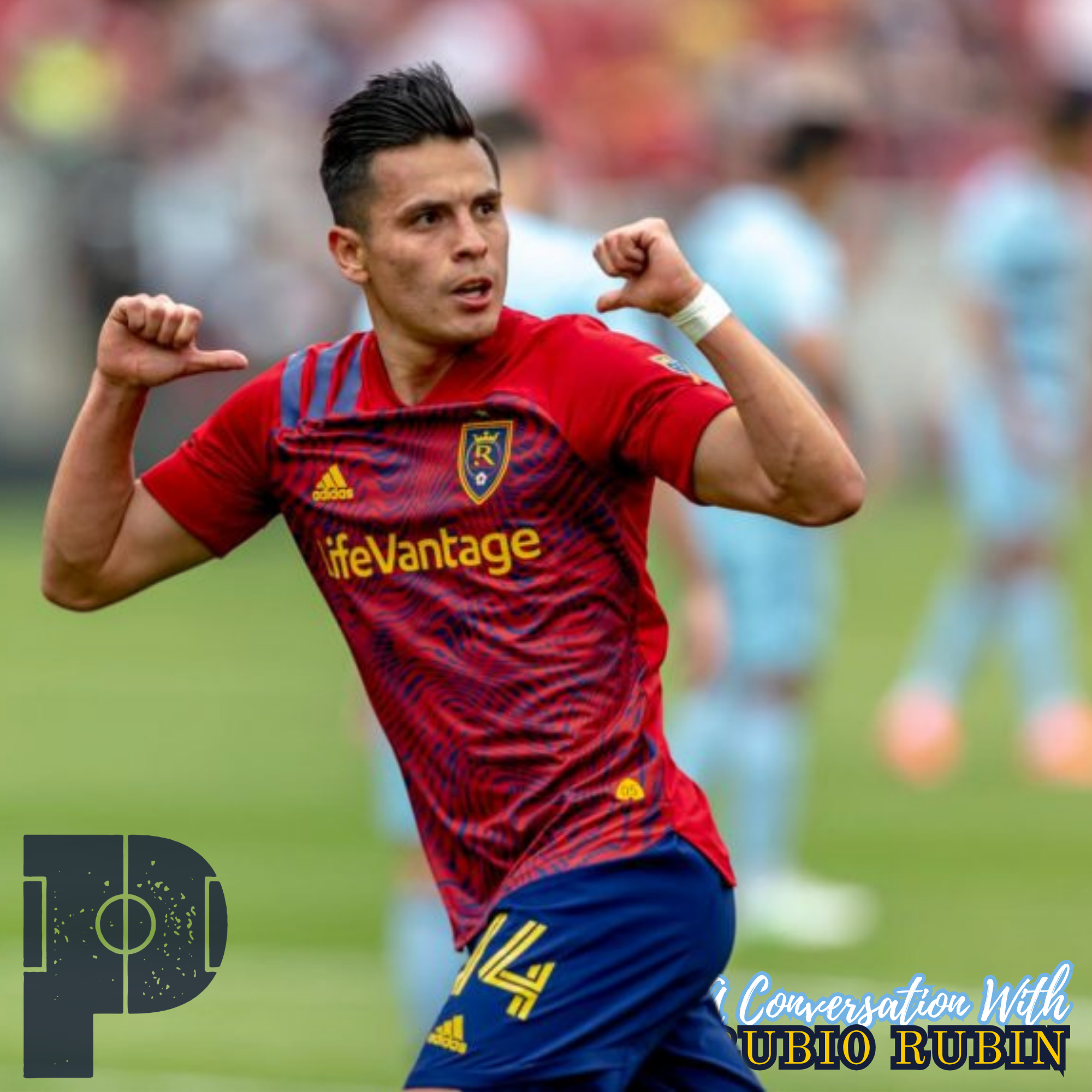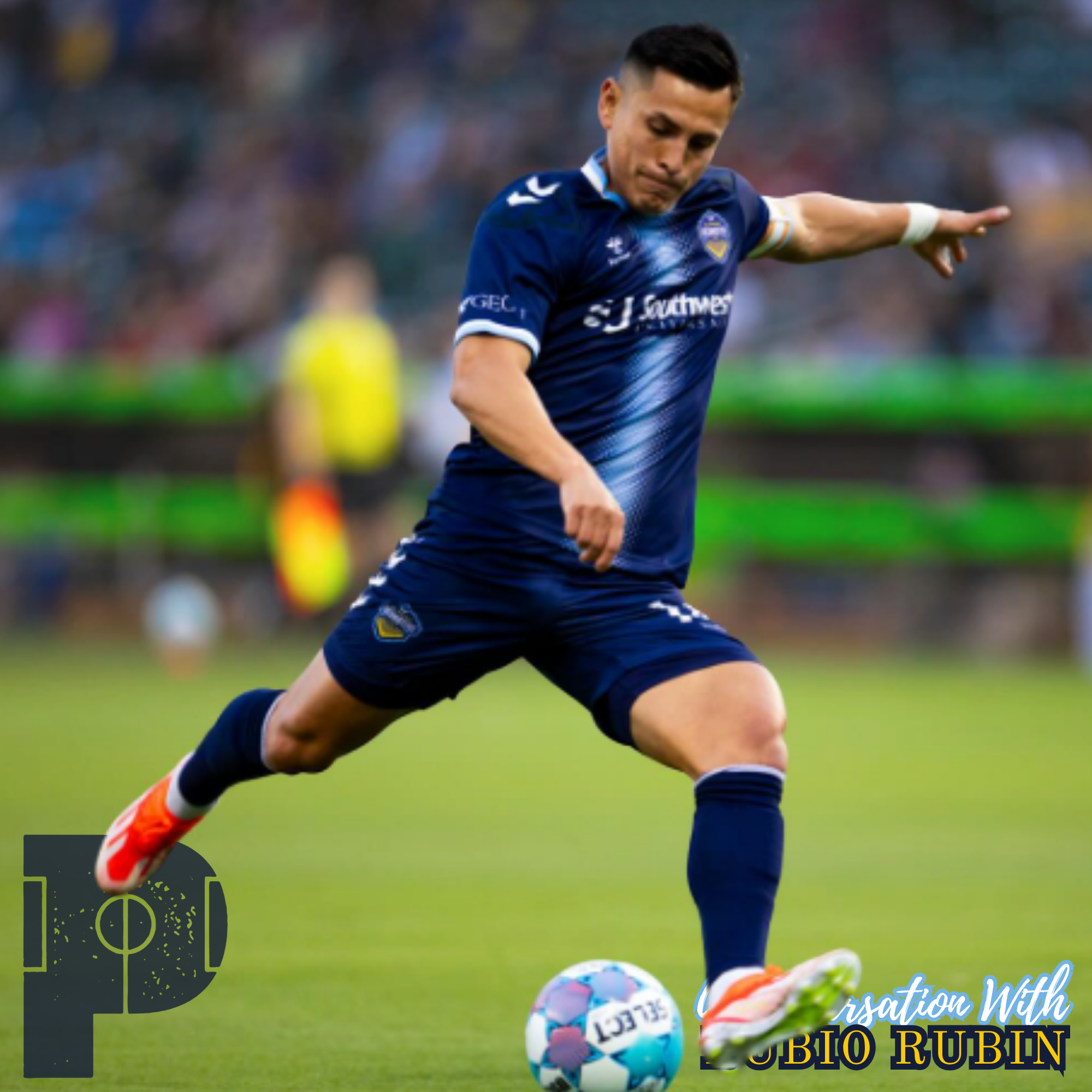
A Conversation with Rubio Rubín
Rubio Yovani Méndez Rubín made his move from Charleston to El Paso this year and has made himself at home. Locomotive look to return to the USL Championship’s playoffs this fall and Rubín will be a massive part of that effort as the league heads into the final stretch of the schedule. The experienced forward sat down with us to discuss the journey which took him from Oregon to Florida to Northern Europe to Mexico to Guatemala and to La Frontera.
Rubio, let’s just get right into it! We are headed into the home stretch towards playoffs. How do you and the boys keep up this momentum?
“Yeah, I think it kind of starts in training this week and I feel like when you're doing so well, it translates to the training facility, making sure that we're doing everything, down to the small details. Not to get too confident and to continue to work hard, because obviously, that leads to us having those results that we've been having, which is winning games. But I think it all starts in training; making sure that we keep our foot on the gas and keep going, keep pushing for more.”
It’s two months away, but El Paso ends the season with a home match against New Mexico United. Does this have the right elements to get as heated as some of these other rivalries you've seen around the world?
“Yeah I think they do. You know, we were playing New Mexico, but away, and it felt… you could feel the fans, you know, chanting stuff to us; yelling some mean things. But it's part of the game. I think it brings… you know, that excitement to the players who want to prove to these fans that you want to score against them. You want to be in front of their faces and tell them you saw that! So, there's definitely a rivalry there. It's fun to play in those games and obviously we know we're going to finish off the season against them.
They're doing well right now, too. So, we don't know how it's going to be at the end of this season. We could be playing some important points that could be (the difference) between second, potentially… fifth and sixth places, whatever it is. We don't know that yet, but obviously looking at it right now, it's a very tight Western conference. So every point matters.”
El Paso is a beautiful city with a very unique setting. How have you settled in?
“Yeah, so far it's been great - the club had treated me really well when I first got here. You know, taking care of me, my family and my wife. It's been fun. I think we can relate a lot to the community just because we come from a Latino home. A bunch of Latinos here, which we love! Latino food, which is amazing, and one key to my happiness is making sure that my belly's full. So, being able to eat some good food out here is awesome. The people are sweet and we enjoy the heat. Obviously it's hot. You know what I mean? Something to get used to, but we prefer this heat than the humidity, which you have in Charleston.”
Have you found a favorite restaurant or coffee shop?
“Yeah, actually, down the street from my house! Like five minutes away, there's Victoria's… this steakhouse that has some nice ribeyes, some nice carne asada meat. Huge portions as well, which I love, you know, because I'm a big dude! So, it's been awesome being able to go there. We've gone there like a few times this year.”
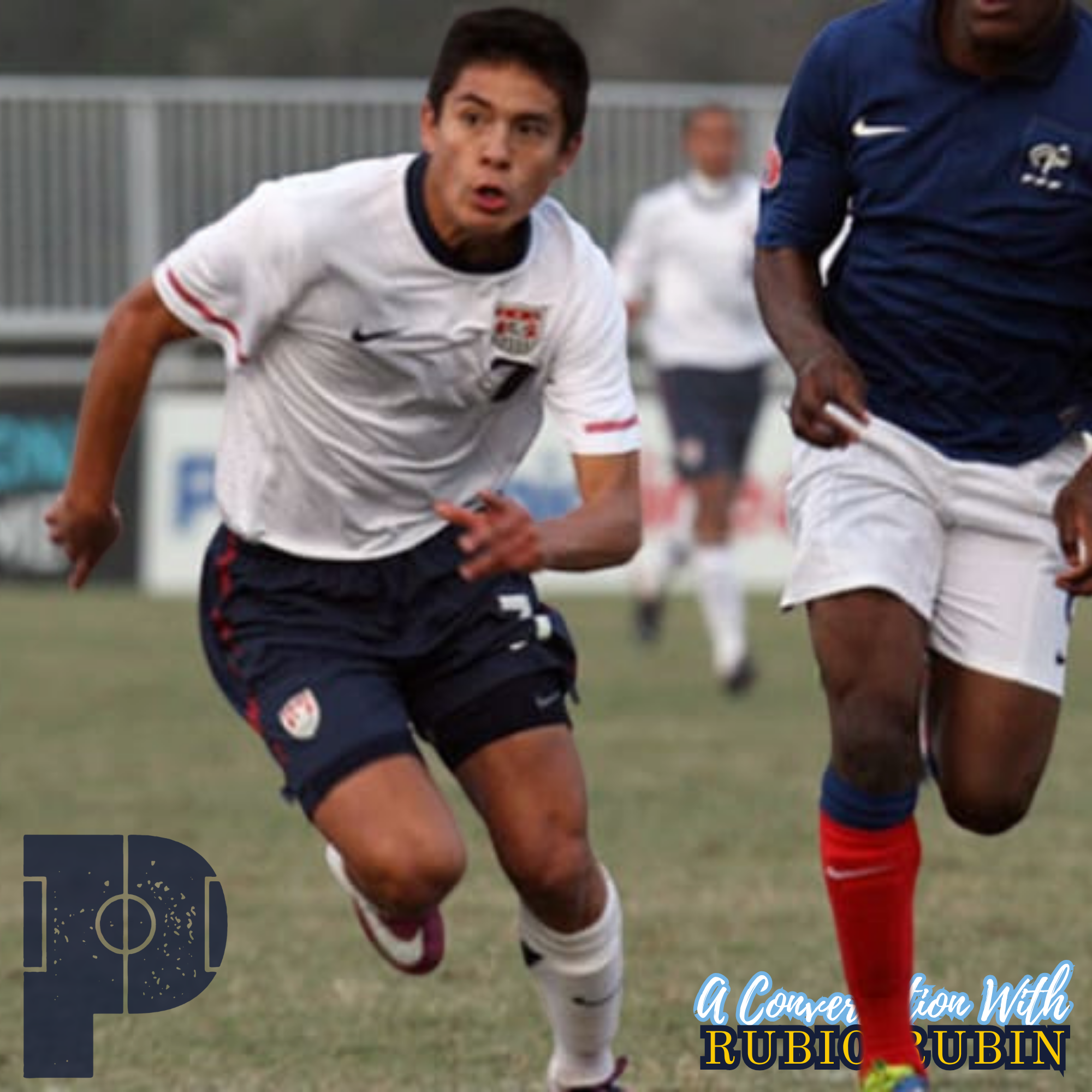
You grew up in Beaverton and for a lot of people who don't know, that's just west of Portland - I know we're going to have to go back a few years, but how did you balance being a student and playing soccer at your highest potential?
“My parents were very adamant, especially my dad, that going to school was just as important as being on the soccer field. There's this one year where I wasn't doing it in school and he threatened he would make me not play soccer anymore. It made me want to not quit, you know what I mean? So, I ended up doing better in school and that translated to, obviously, soccer as well, which was just as important. And he knew that, at the end of the day, he threatened me to take it seriously and that it was gonna help me, not only on the soccer field. That was very important and right now, even to this day, I'm still going to school. I'm getting my bachelor's degree in business sports management.
So, I'm slowly chipping away and continue to do what I love, but at the same time focus on school. I take one or two classes every term and hopefully I'm 75 % done with my bachelor degree. So I'm really close. I'm almost at the finish line. So, to this day, I'm 30, and I started this when I was 19, 20 years old - I've been going to college now for, what, 10, 11 years. I knew it was always my goal to finish. So here we are, it's just as important to me right now, even with, maybe more of my whole soccer career behind than it is in front of me.
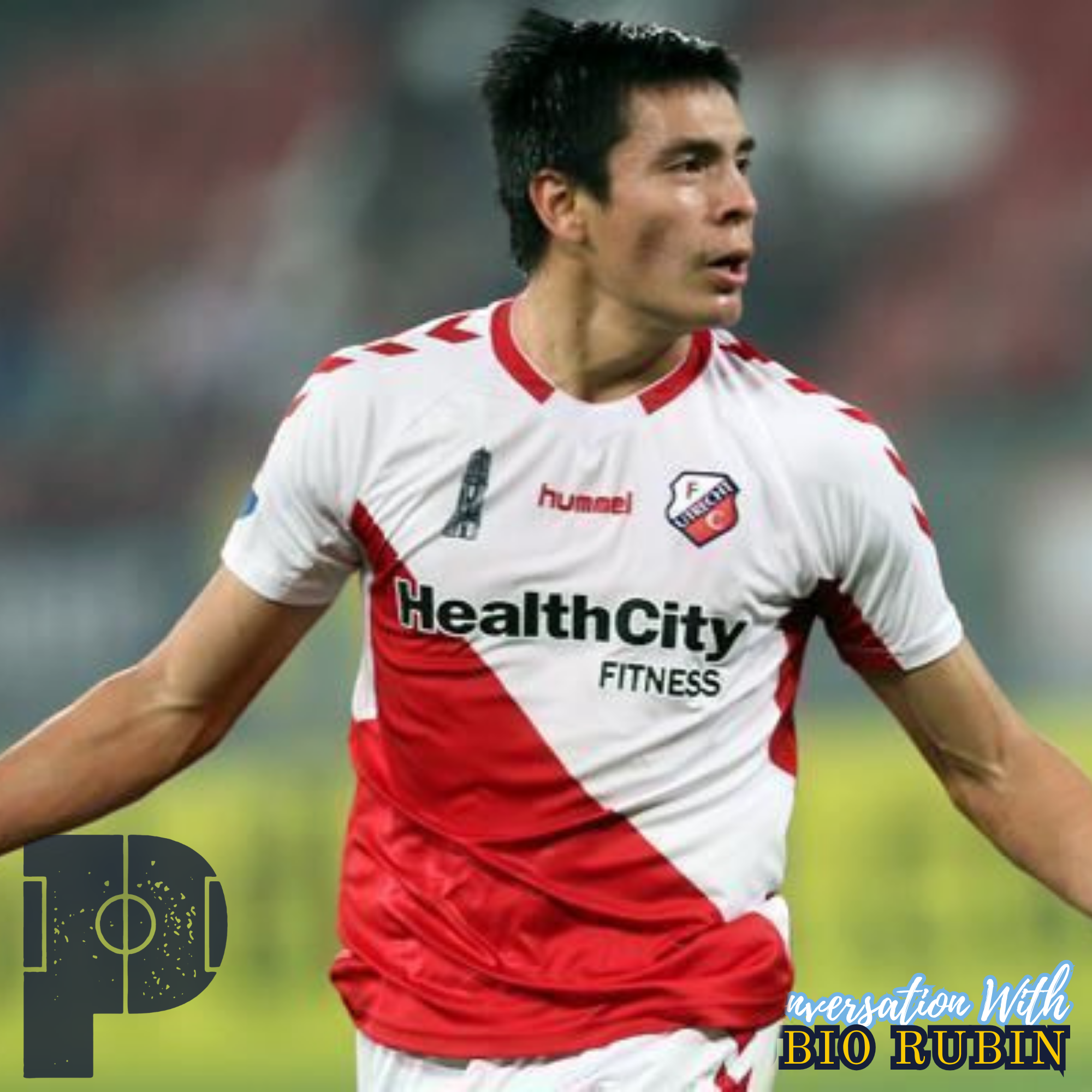
You started at Westside Metros and then you spent a year at IMG Academy. How did you find yourself in the Utrecht system? Did they reach out to you or did you have a scout that helped you find a home in the Netherlands?
“So, I remember we were at the U-17 World Cup qualifiers down in Panama. There's a bunch of scouts that come out to see talent down in Panama and a lot of these Dutch teams came down. I had a good tournament. And then after that, went back to IMG for a bit. Then Utrecht came calling saying, hey, we'd love for you to come on a trial; to see what it's like living here in Holland. I was there for like a week and a half and then that got extended to another week and a half… So, three weeks total just because they wanted to see me with the first team. I was able to ball! Do well with the first team at 15-16 years-old and I think that's when they realized, okay this guy can do it now and hopefully in two years, once he's eligible to play, we can sign him.
So, obviously I went there from a very young age. I was signed. Made my debut when I was 18 years old. That was where I started my career, where I really soaked in everything that I needed to. It was one of the most amazing experiences, to have signed my first deal in Holland.”
We won't go through all of your stops, but ultimately, what led you to back to North America and to Liga MX?
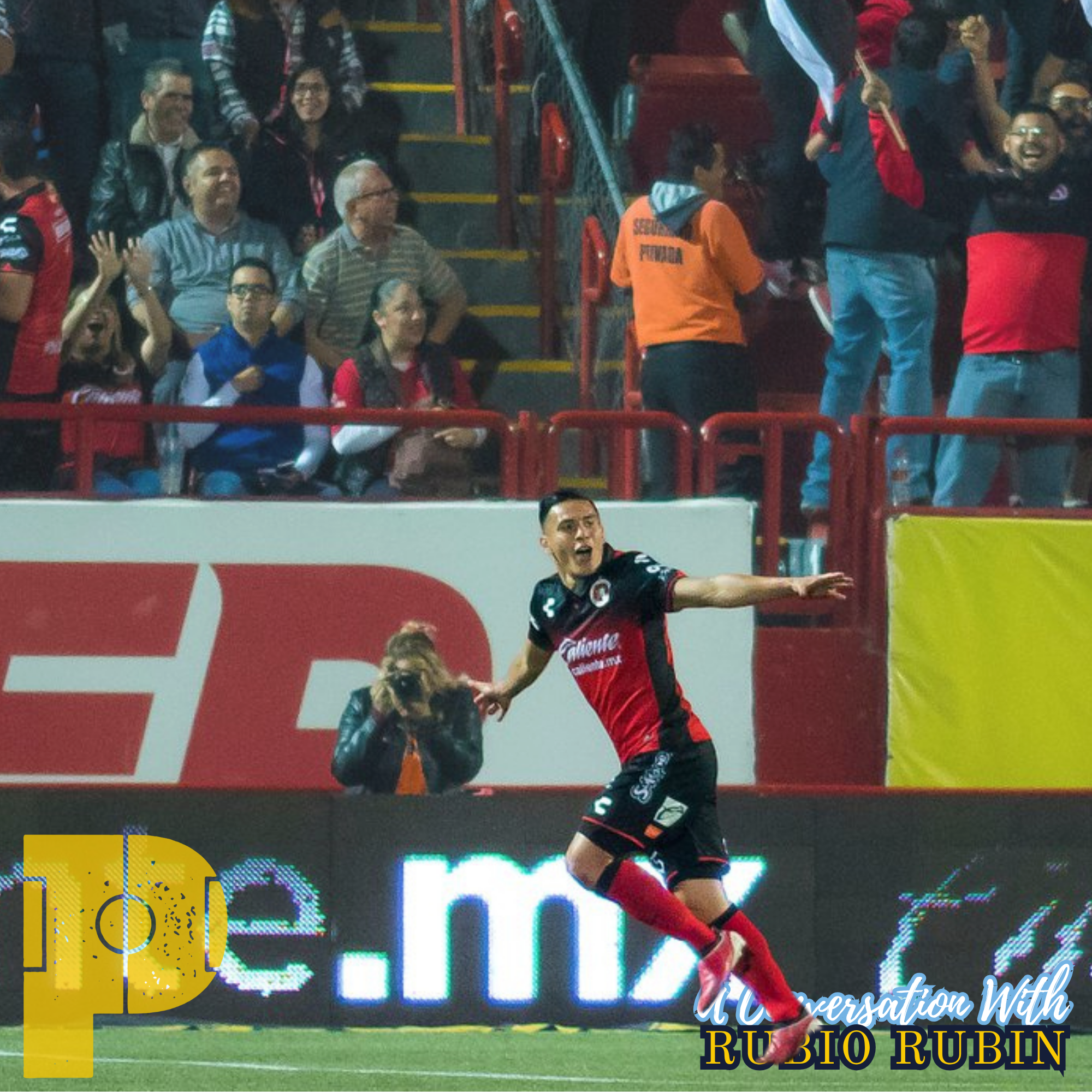
“Kind of similar, you know? I was at a point when I was 21 years old where maybe the European dream wasn't really working out. I was kind of bouncing around from Denmark - fighting for playing time and wasn't really getting it. Go to Norway, kind of similar situation. So, I needed a new change and that's when Tijuana called and said, hey, we'd love to bring you in. I signed, I think, a two year deal at the time to go to Tijuana and they reached out to my agent. I got to work but it was different just because I hadn't really... spoken any Spanish since I moved to Holland.
So, going there I was just speaking English and it was difficult to really get my Spanish going again. I really enjoyed my time in Mexico! It was a nice change and it was important for me to come closer to home, which I never really had. When I was really young, I'd constantly be living in Florida, which is on the East Coast, and then living in Holland, which is a whole different side of the world. So, it was important for me to come home and I really enjoyed my time being in Tijuana, but also having that luxury of being close to San Diego too.”
Is this right about the same time in your life when you make the adjustment from the US youth system to Guatemala?
“No, that was when I was like 25. I think when I was 21, 22, I still had a call up to a camp in Philadelphia, if i'm not mistaken. I went two, two and a half years without getting a call up and that's when I made the transition - when I was 25 years old.”
For International Call Ups or “Transfers" is there a list? How would Guatemala know you were eligible?
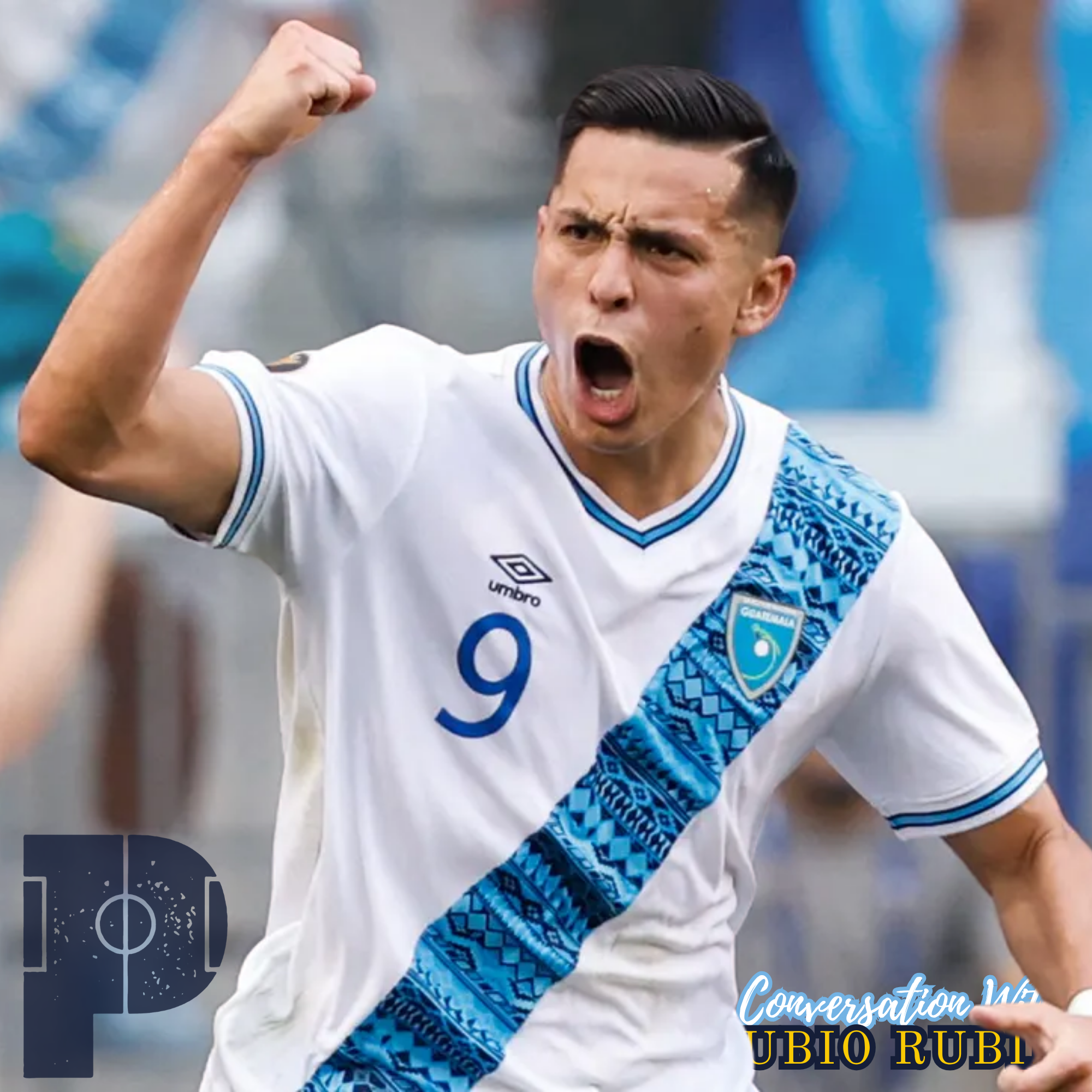
“Well, I don't think there's really anything like that. I think people knew that I may have said in the past that I'm a Guatemalan. I had a guy reach out to me who's very close with the Federation and he ended up telling me, hey, would you ever want to have the possibility to play in Guatemala? I had always told him yes, just just when the time comes and finally, at that time, I just felt like I was ready. Obviously, it was a very difficult decision for me just because I had been with the US National team since U-14s and all the way up to the senior National Team - making my debut under Jurgen. So, it was a difficult decision, but ultimately probably the best decision I ever made in my life... or in my career, sorry, the best decision I've made in my life is definitely my newborn.”
I think a lot of people outside the region don't understand how difficult it is to play in CONCACAF - what are some of the most difficult teams you’ve played; is there a memorable game?
“There's so many games! Especially in CONCACAF, you're not only playing against the team itself; you're playing against the fans, you're playing against the weather, you're playing against, maybe the fields, you know what I mean? The environment. Like I always say, CONCACAF is way different than anything I experienced in Europe. Like it's just... it's just built differently!
Ultimately, there have been some very difficult games, especially in CONCACAF; maybe El Salvador away when we had to go there and it was a must-win game. Field ended up... its pouring down rain, thunderous weather, you know, the field starts to get muddy. We're up 1-0, trying to close out the game.. 30 ,000 fans. Those are the games that are very hostile. But I definitely think one of the most memorable games for me was probably Canada in the Gold Cup. When we tied them 1-1 and went to PKs, I think just that moment was very special, being able to score that goal and help my team; pull off a win against, obviously, a CONCACAF giant and a team that ended up having a decent World Cup. I think it speaks volumes. Hopefully Guatemala continues to invest in its players and invest into the foundation of the federation - pushing for better, better things that are going to ultimately help, not only the players, but ultimately, the nation as one.”
When you look back at your time in both those European Leagues, but also in Liga MX, and compare it to our systems here - what are our strengths but also our weaknesses?
“Yeah, some of the strengths I think is just the basics; the importance of being able to provide the players with everything - I think that's huge. I think that speaks a lot of volume of the American way of like not shorting the players. Even at the USL level, there are good flights, good food, there's per diem! I think in some of the leagues, even in Mexico, that doesn't even exist. Maybe the per diem part, things like that, you fight with the PA, I don’t want to say fight, but you negotiate with the PA to have this standard. I think just the standard itself, within the US is way better than I experienced in other countries, where you're constantly fighting for the minimum… to have a decent meal.
And the strengths of these other leagues is the competition is maybe a little bit tougher; the demand is higher. Winning is seen as much more of a priority than maybe here. In that regard, you have, for example, in Europe when we were playing with Utrecht there was relegation. There was a point where you start losing certain games you can fall under that relegation line and then next thing you know, you're losing, losing, and you could be in the second division the following year.
Those things are strengths to help the players continue to compete, continue to push for more. Obviously, here it's a little bit different. MLS and USL don't have relegation yet - it's going to come. And I think that inside, every player wants to compete and every team should compete. And if you have constant competition, you have these rivalries, you have the difference between a point keeping you up and keeping you down. I think that's the excitement that people want to watch. You see that in Europe. Maybe you don't see that here, but like I said, the standard here for the little things are huge for the players being able to feel like they're comfortable and happy
When would you say you fell in love with fútbol? What is your origin story?
“Where do I even begin? I'm not even going to say the most obvious ones. I think for me, Um, Where I really fell in love with soccer was realizing that I could take a ball outside and be by myself and imagine a bush as the goal and picture myself in the World Cup. Or picture myself in the most important Champions League game, or whatever it was, playing for Manchester United or Real Madrid - my favorite teams. And just seeing myself in those moments. I think that's when really I fell in love with the game. It's just being able to be a kid and just imagine those things. Hearing my mom… sometimes my mom would come home from work and she would be getting off the bus and she would purposely, kind of, hide around the house. Because I would be outside playing and speaking to myself. She would tell me, to this day, that I used to do that. I do remember those memories and I think that's really when I fell in love with the game - just the imagination that I had at such a young age of being able to see myself in important games. That obviously translated to me loving the game today; to continue to do what I love. I look back and think about those things sometimes; it's pretty awesome, pretty cool to think about.”
LISTEN TO THE FULL INTERVIEW WITH RUBIO RUBIN HERE
- by Josh Duder